Optimal Timing for Chicken Wire Fencing
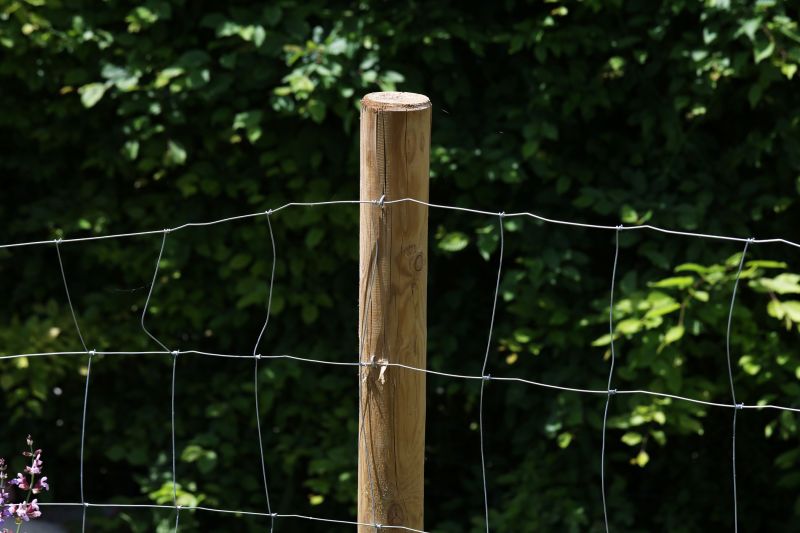
Spring offers optimal weather conditions for installing chicken wire fences, with mild temperatures and less rain.
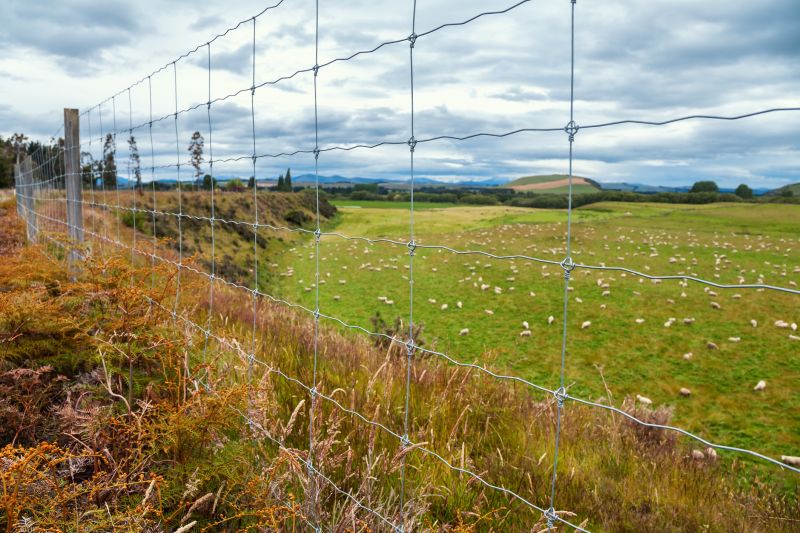
Late spring to early summer provides stable ground conditions and allows for proper setting before animals are active.
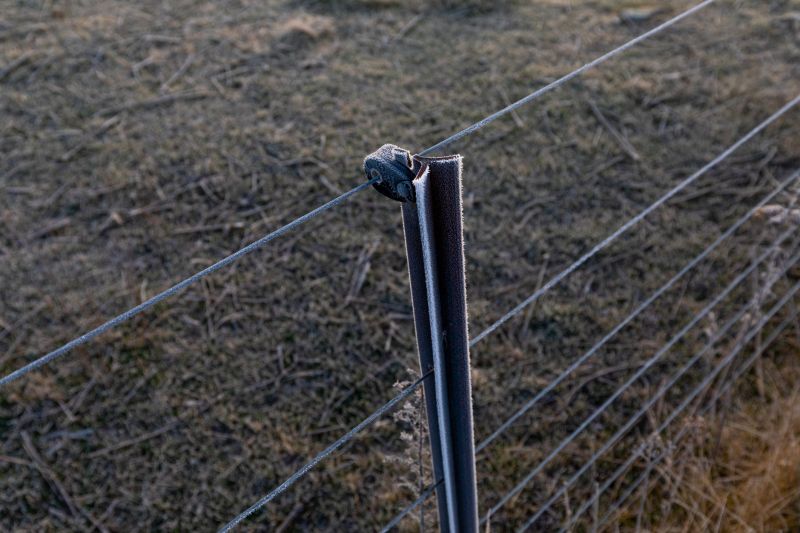
Cold and wet conditions in winter can hinder installation and affect the durability of the fencing material.
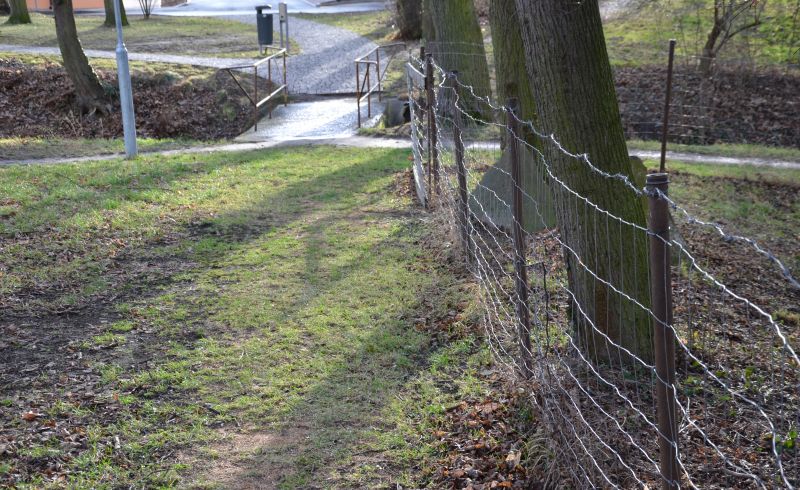
Ways to make Chicken Wire Fencings work in tight or awkward layouts.
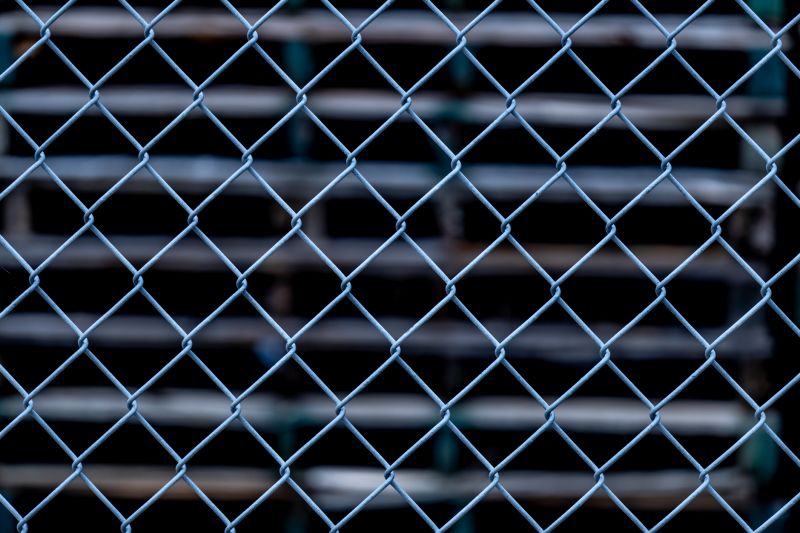
Popular materials for Chicken Wire Fencings and why they hold up over time.
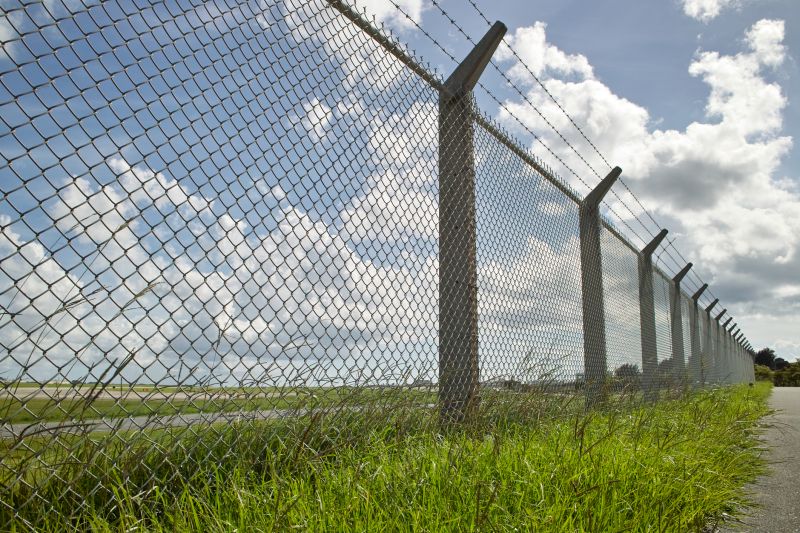
Simple add-ons that improve Chicken Wire Fencings without blowing the budget.
Chicken wire fencing is a popular choice for enclosing poultry and small animals due to its affordability and ease of installation. Made from galvanized steel wire, it provides rust resistance and durability. Proper timing for installation ensures the longevity of the fencing and minimizes maintenance needs. Installing during favorable weather conditions helps prevent issues such as rusting or sagging caused by moisture and temperature fluctuations.
Statistics indicate that fencing installed in the spring or early summer has a lifespan of up to 10-15 years when maintained properly. Seasonal considerations, such as avoiding extreme cold or wet conditions, contribute to the integrity of the fence. Planning installation around these periods can reduce the likelihood of damage and ensure the fencing remains effective throughout its lifespan.
Spring provides ideal weather for setting up chicken wire fences, with moderate temperatures and less rainfall.
Extreme weather conditions can cause material fatigue, so timing installation during mild seasons is recommended.
Properly timed installation reduces the need for frequent repairs and prolongs fence durability.
Scheduling fencing projects during spring or early summer optimizes material performance and longevity.
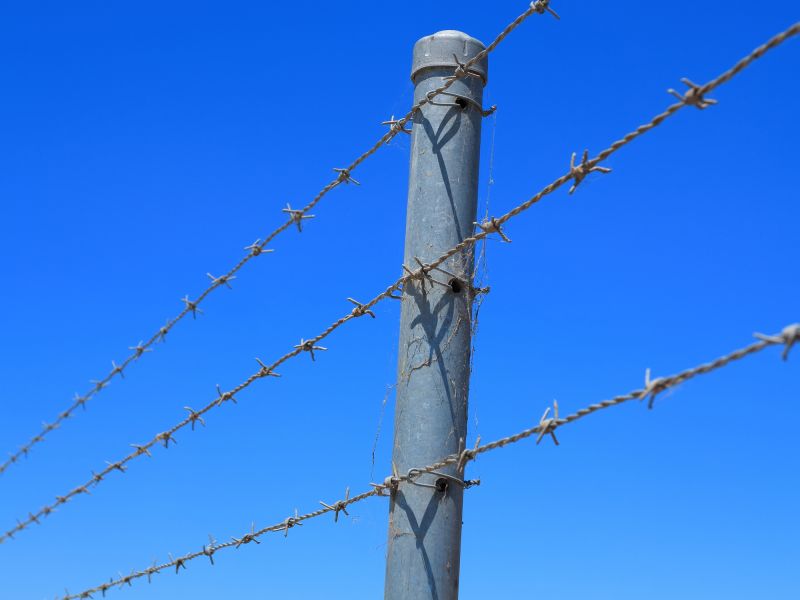
High-end options that actually feel worth it for Chicken Wire Fencings.
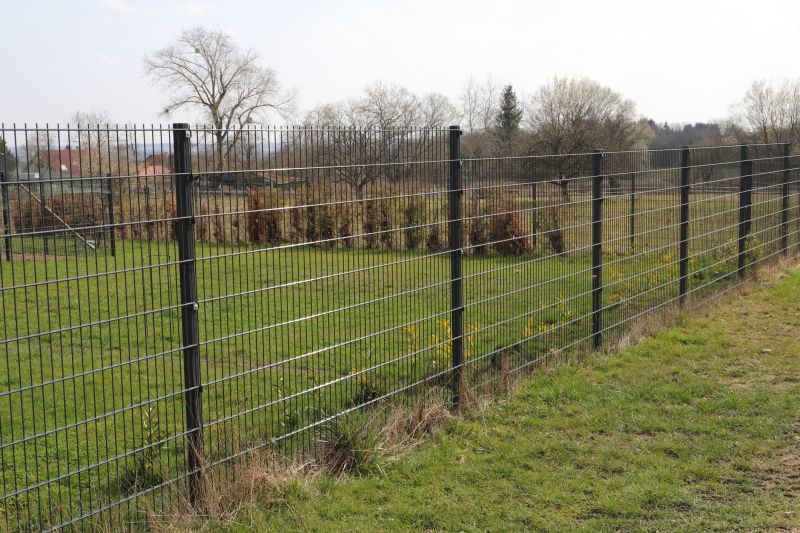
Finishes and colors that play nicely with Chicken Wire Fencings.
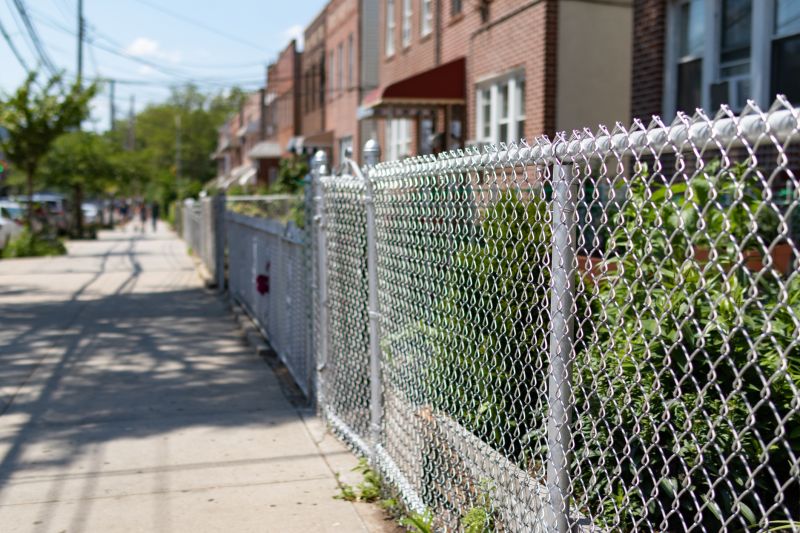
Little measurements that prevent headaches on Chicken Wire Fencings day.
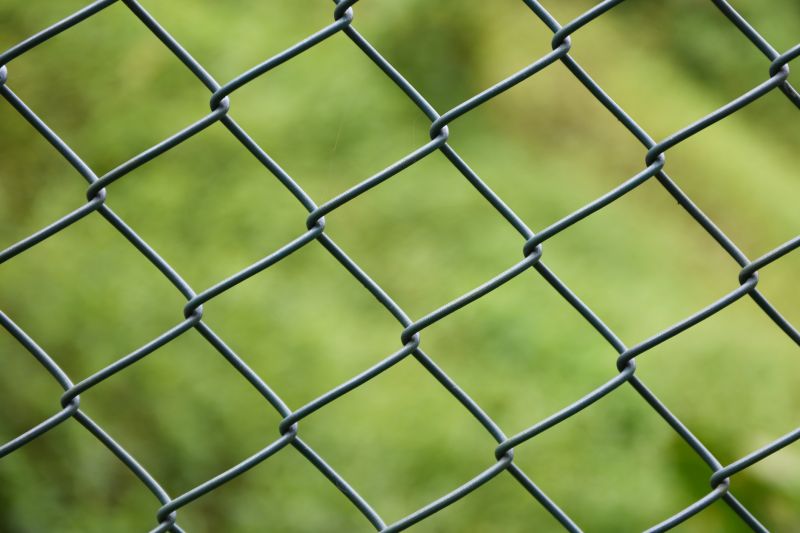
A 60-second routine that keeps Chicken Wire Fencings looking new.
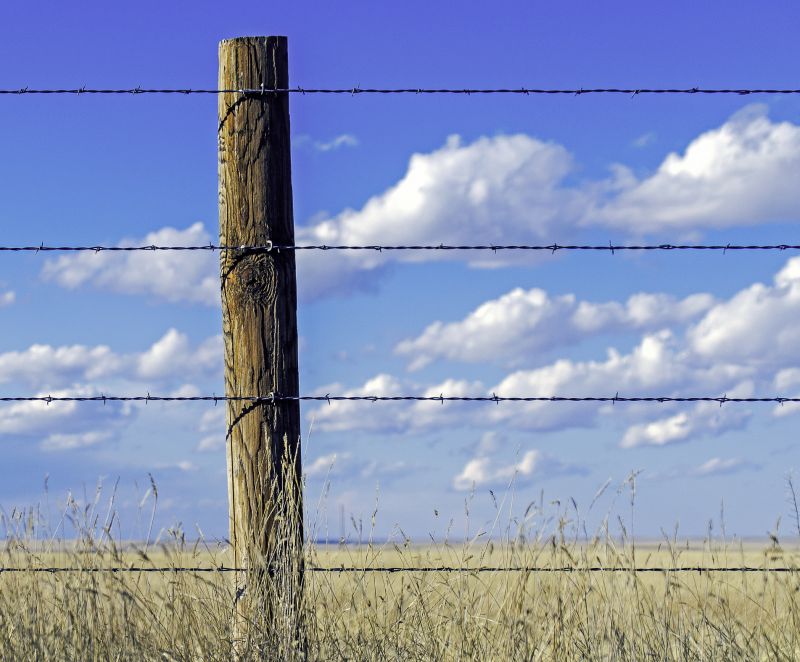
A frequent mistake in Chicken Wire Fencings and how to dodge it.
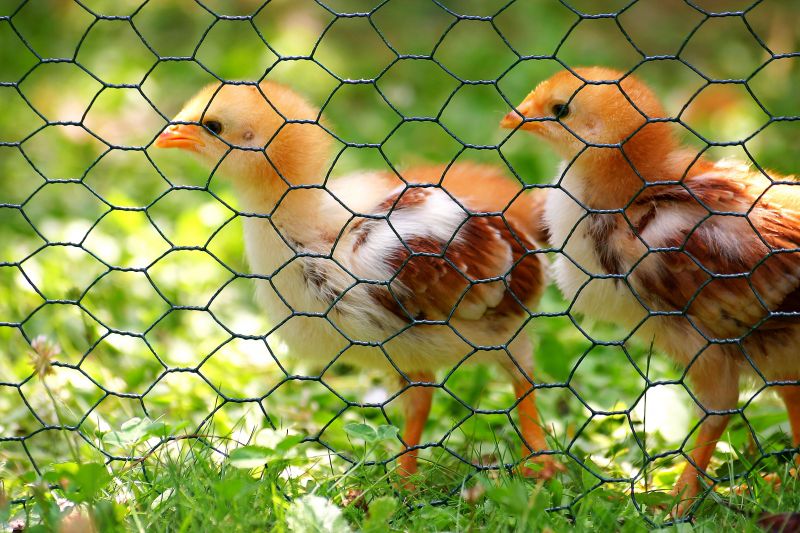
Small tweaks to make Chicken Wire Fencings safer and easier to use.
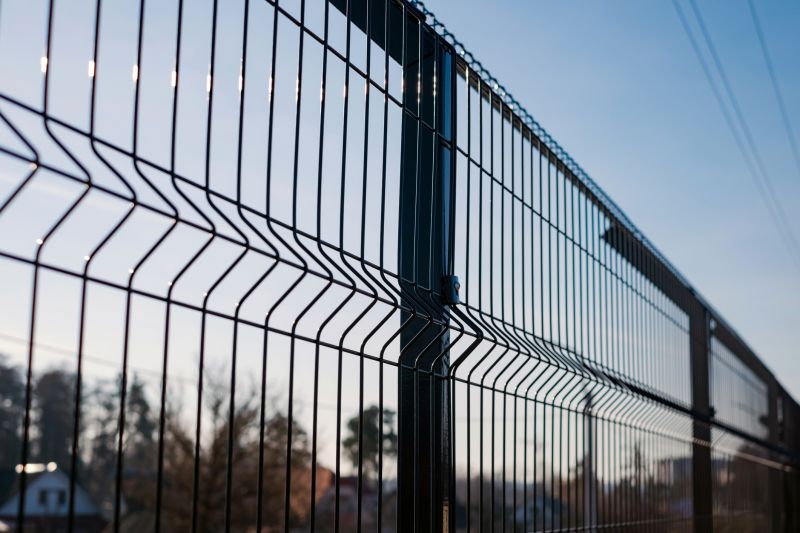
Lower-waste or water-saving choices for Chicken Wire Fencings.
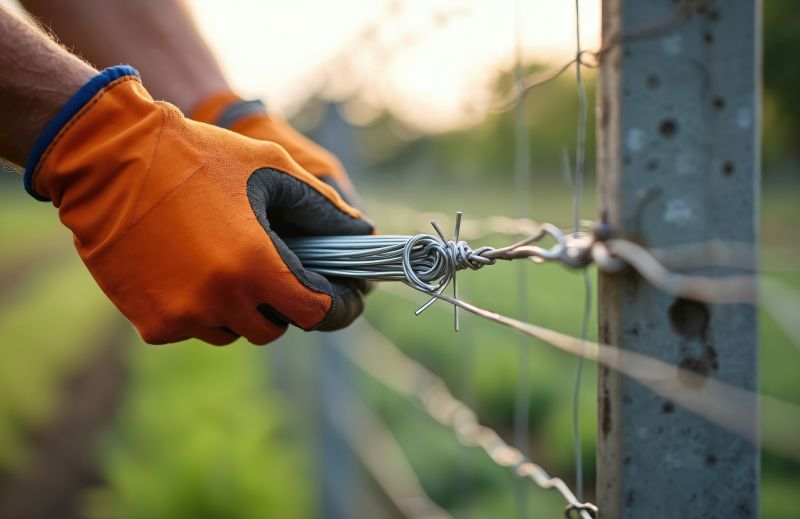
The short, realistic tool list for quality Chicken Wire Fencings.
| Season | Optimal for Installation |
|---|---|
| Spring | Yes |
| Early Summer | Yes |
| Late Summer | Less Ideal |
| Fall | Possible |
| Winter | Not Recommended |
Choosing the right time for installing chicken wire fencing ensures maximum durability and effectiveness. Planning installations during periods with moderate temperatures and low precipitation minimizes material degradation and installation challenges. Proper timing also aligns with animal activity cycles, reducing the need for frequent adjustments or repairs.
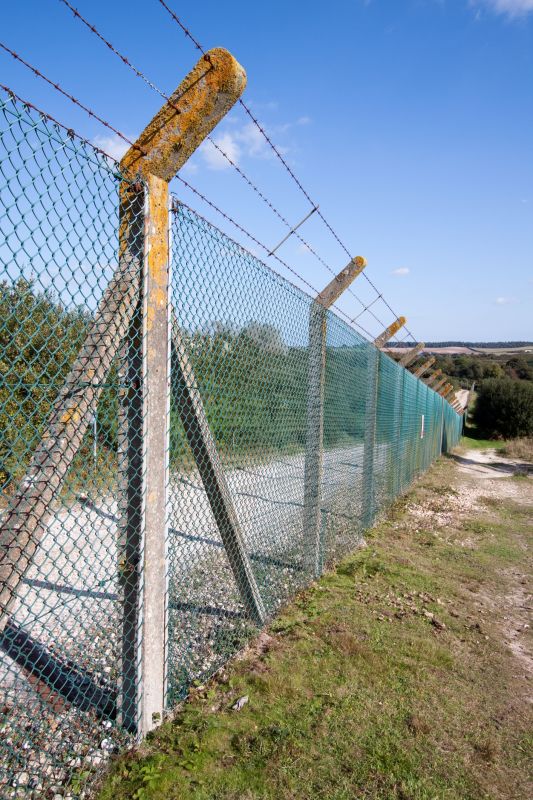
Rough timing from prep to clean-up for Chicken Wire Fencings.
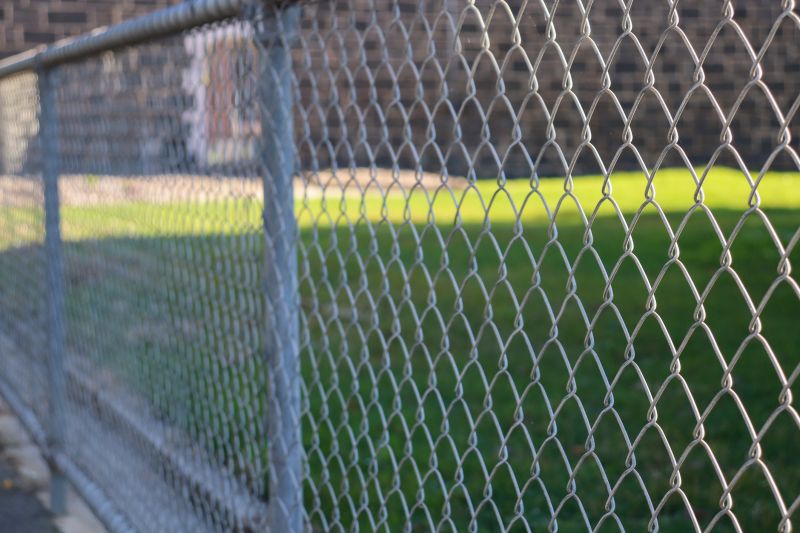
Quick checks and paperwork to keep after Chicken Wire Fencings.
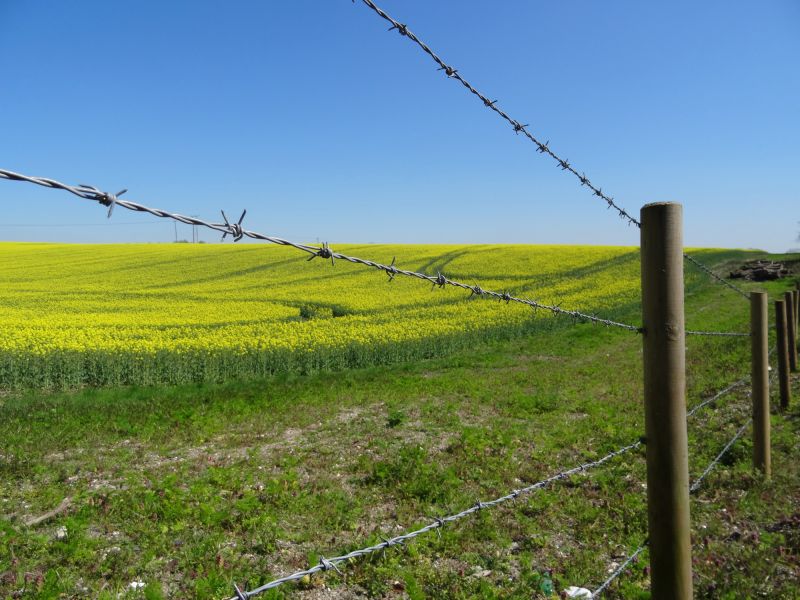
Examples that show the impact a good Chicken Wire Fencings can make.
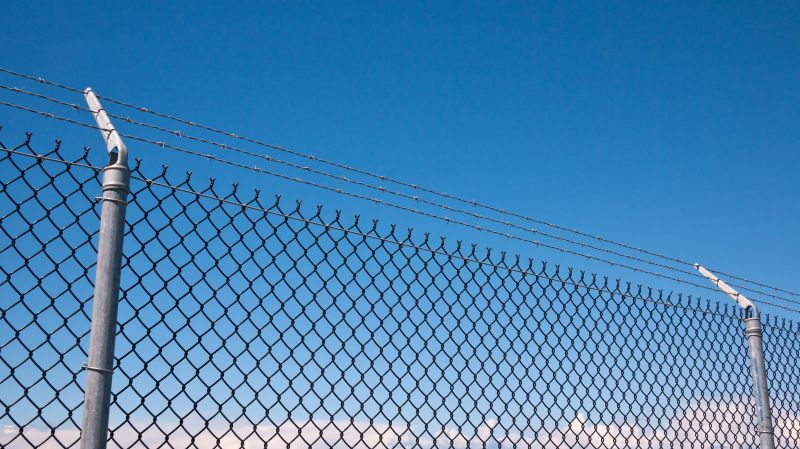
Ways to make Chicken Wire Fencings work in tight or awkward layouts.
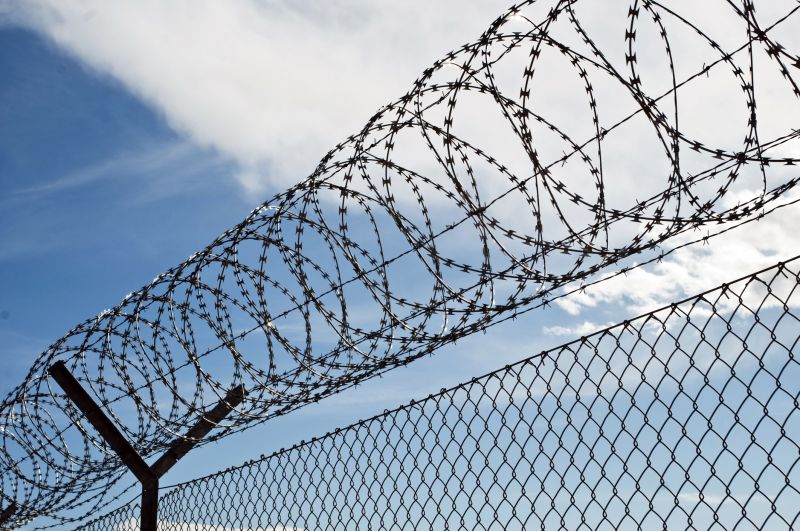
Ways to make Chicken Wire Fencings work in tight or awkward layouts.
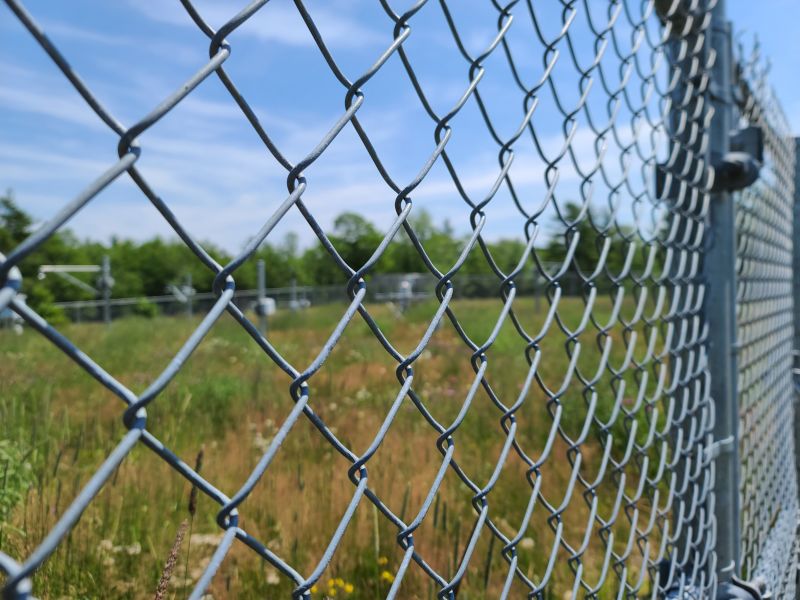
Ways to make Chicken Wire Fencings work in tight or awkward layouts.
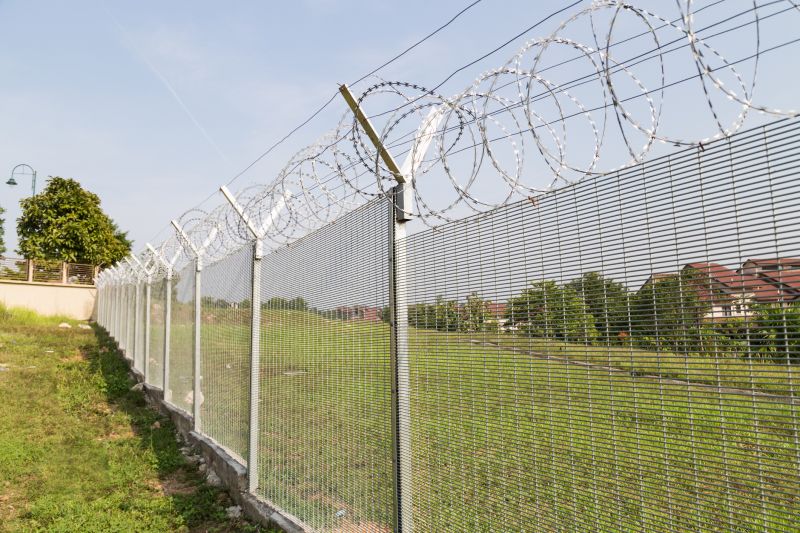
Ways to make Chicken Wire Fencings work in tight or awkward layouts.
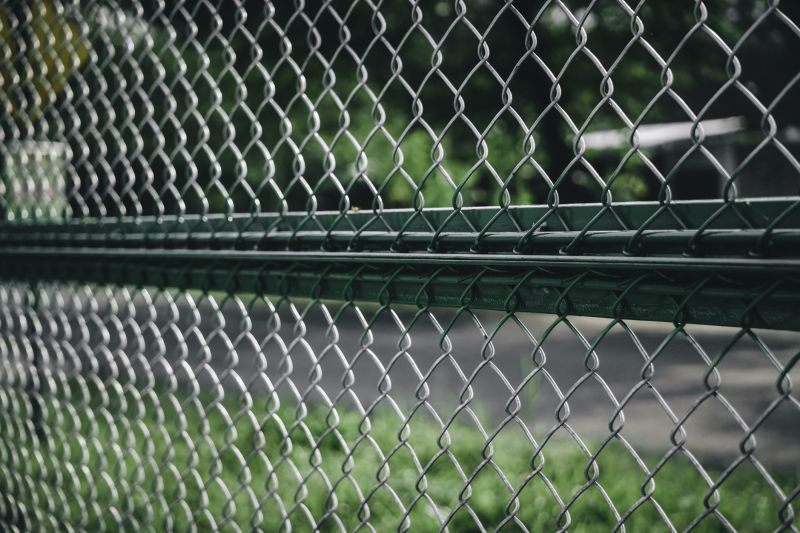
Ways to make Chicken Wire Fencings work in tight or awkward layouts.
Interested in installing chicken wire fencing? Filling out the contact form can provide more information on suitable timing and installation options tailored to specific needs.