Understanding the Cost of Chicken Wire Fencing
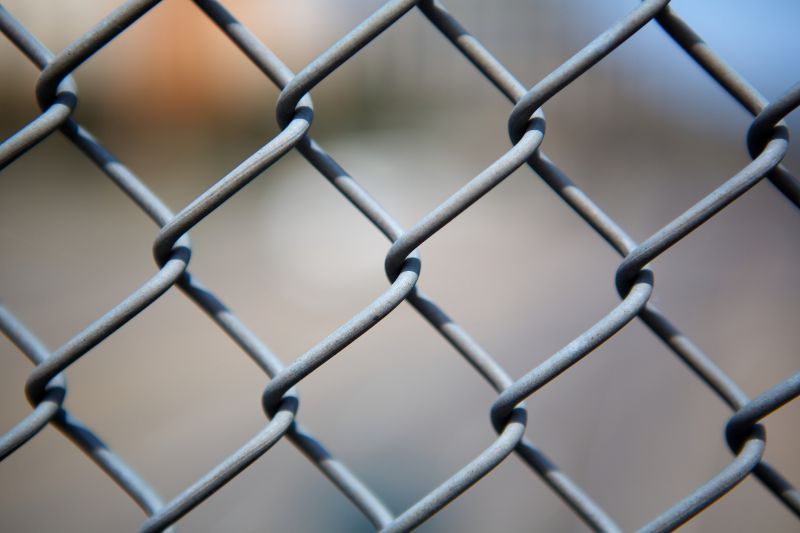
Different grades of wire and coatings affect the durability and price of chicken wire fencing.
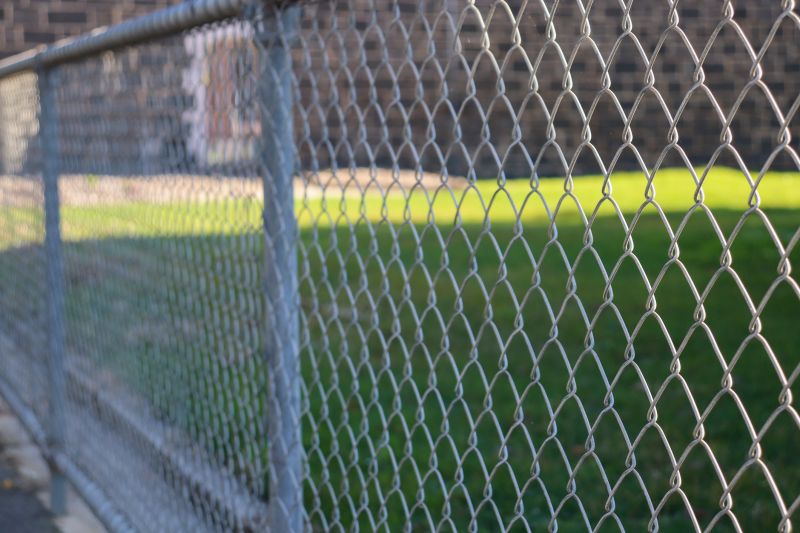
The length and height of the fence directly influence the total material costs.
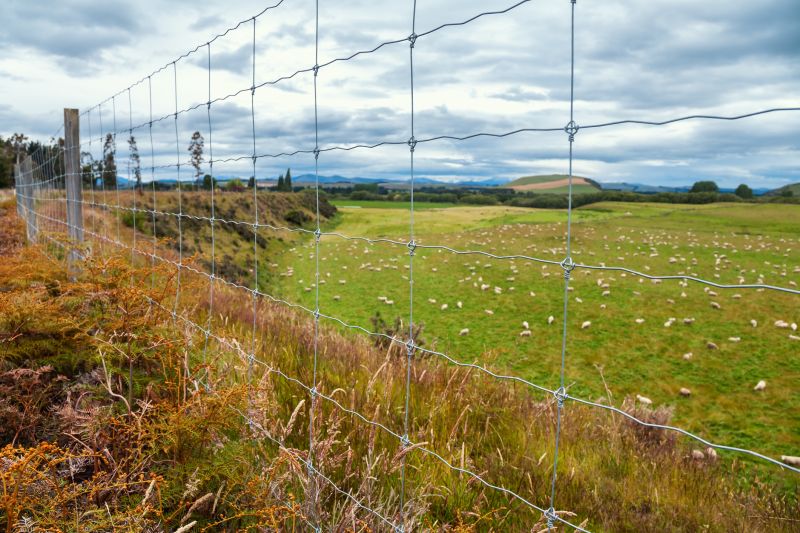
Terrain and accessibility can increase labor and equipment expenses.
| Factor | Impact on Cost |
|---|---|
| Wire Gauge | Thicker gauges cost more but offer increased strength. |
| Coating Type | Galvanized coatings add to the price but extend lifespan. |
| Fence Height | Higher fences require more material and labor. |
| Length of Fence | Longer fences increase overall material and installation costs. |
| Terrain | Rough or uneven terrain can raise installation expenses. |
| Accessibility | Hard-to-reach areas may require specialized equipment. |
| Additional Features | Gates and reinforcement add to total costs. |
| Location | Regional labor and material costs influence pricing. |
Budgeting for chicken wire fencing involves considering both upfront material costs and the potential need for ongoing maintenance. Properly selected materials and installation techniques can reduce long-term expenses by minimizing repairs and replacements. Consulting with fencing professionals can provide tailored estimates aligned with specific project requirements.
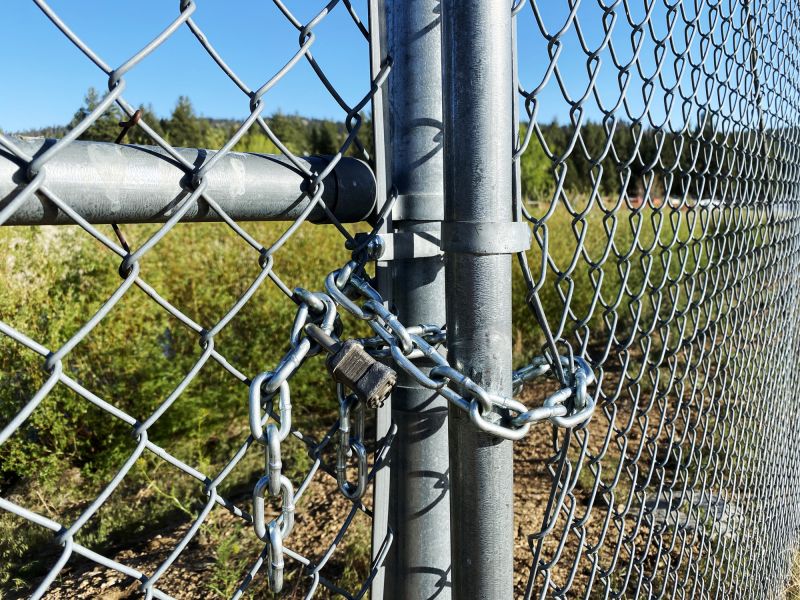
Gates are a vital component affecting cost, with options varying in size and locking mechanisms.
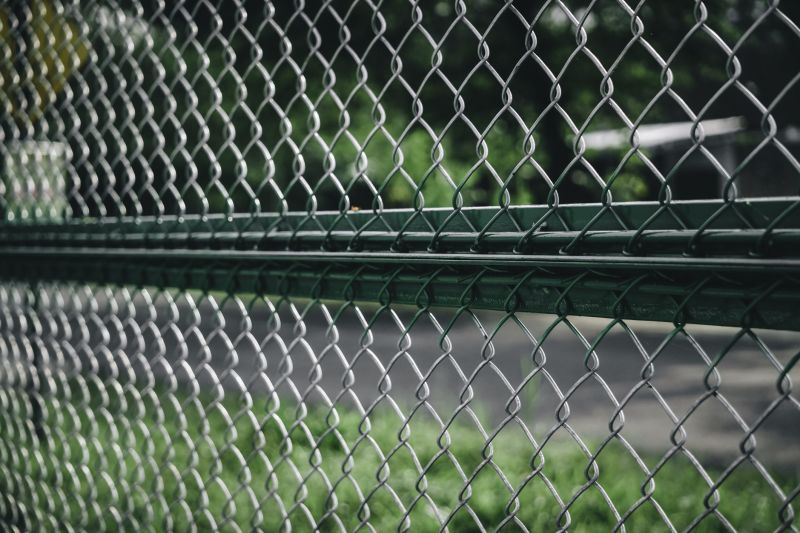
Galvanized or vinyl coatings influence both durability and price.
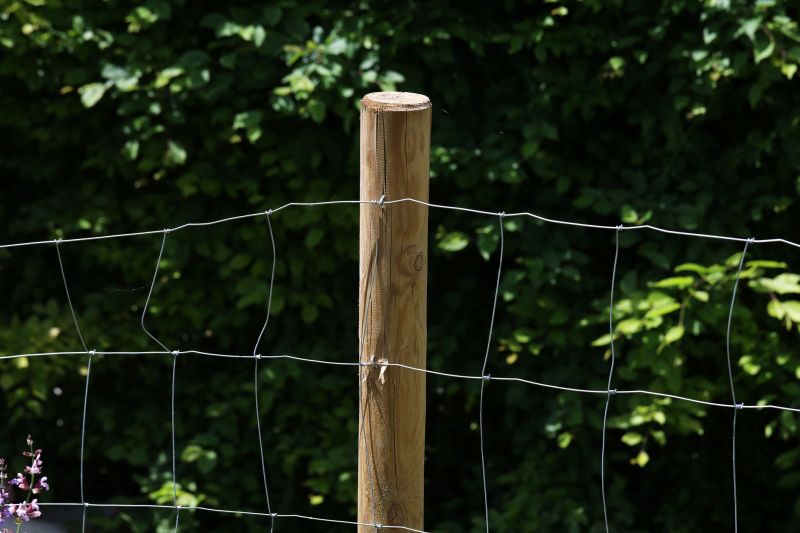
Different post materials and installation methods impact overall fencing costs.
| Service | Average Price Range |
|---|---|
| Basic Chicken Wire Fence (per meter) | $10 - $20 |
| Galvanized Wire Mesh (per roll) | $50 - $150 |
| Fence Post Installation | $15 - $30 per post |
| Gate Installation | $100 - $300 |
| Custom Fence Height | $5 - $10 per additional foot |
| Reinforced Mesh | $20 - $40 per meter |
| Electric Fence Add-on | $50 - $200 |
| Fence Repair Service | $100 - $500 |